


 VirtaCoin VTA
 CryptoSwap
Hospital Cleaning Services: Professional Healthcare Facility Cleaning Solutions
Introduction
Cleanliness is a critical part of maintaining a healthcare facility. Hospitals experience constant movement of patients, visitors, doctors, nurses, technicians, and support staff, making regular and carefully planned cleaning essential.
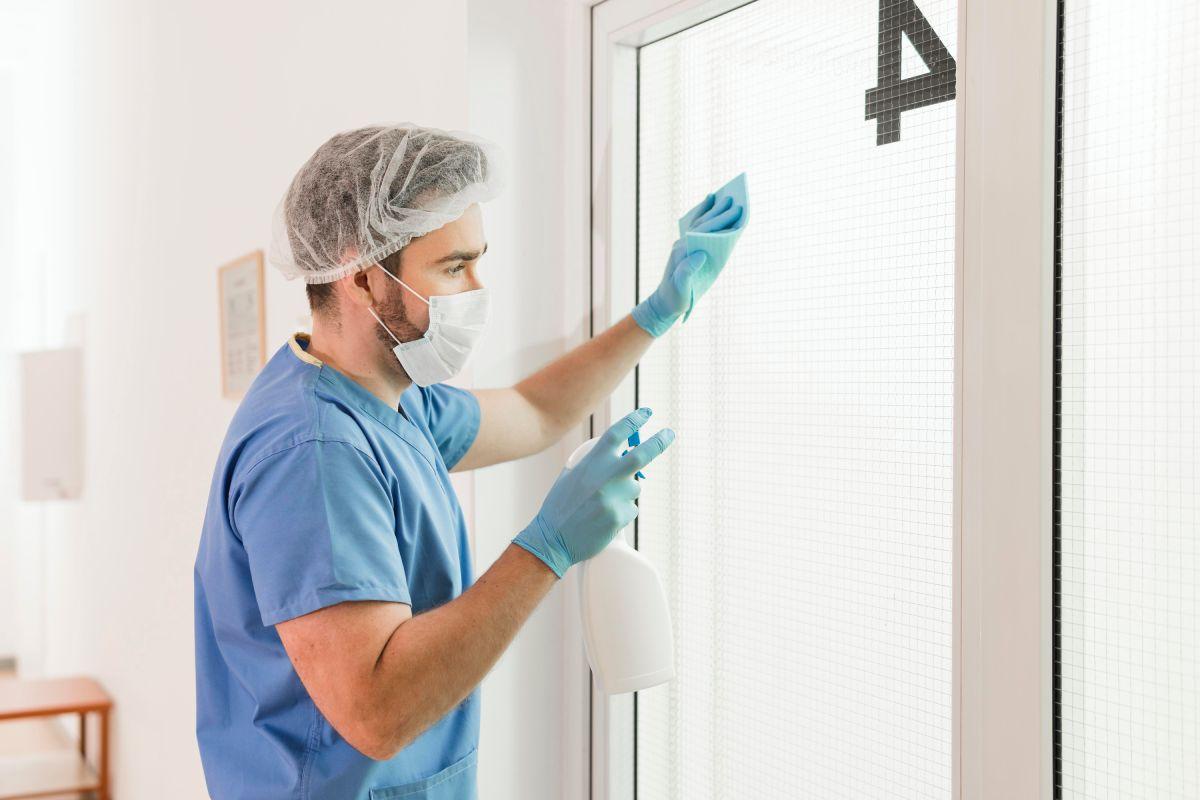
Hospital Cleaning Services provide specialized cleaning and environmental services for hospitals, clinics, medical centers, surgical facilities, and other healthcare environments. Unlike standard commercial cleaning, healthcare cleaning requires procedures tailored to different areas, surfaces, contamination risks, traffic levels, and facility protocols.
Professional hospital cleaning teams can support routine cleaning, terminal cleaning, restroom sanitation, floor care, waste handling, and other facility-specific requirements.
What Are Hospital Cleaning Services?
Hospital Cleaning Services are professional cleaning solutions designed specifically for healthcare facilities.
Depending on the facility and provider, services may include:
- Patient room cleaning
- Operating room cleaning
- Emergency department cleaning
- Bathroom and restroom cleaning
- Waiting-room cleaning
- Floor cleaning
- Surface cleaning
- High-touch surface cleaning
- Common-area cleaning
- Terminal cleaning
- Isolation-area cleaning
- Waste handling
- Deep cleaning
- Periodic facility cleaning
Cleaning procedures should follow the healthcare facility's policies and applicable regulations.
Why Are Hospital Cleaning Services Important?
Hospitals contain many high-traffic and sensitive areas that require consistent cleaning.
Professional healthcare cleaning can help facilities:
- Maintain clean patient areas
- Support environmental hygiene
- Keep public areas presentable
- Reduce accumulated dirt and debris
- Maintain floors and surfaces
- Support infection-prevention programs
- Reduce the workload of healthcare staff
- Maintain consistent cleaning procedures
Cleaning is one component of a broader healthcare environmental hygiene and infection-prevention program.
Hospital Patient Room Cleaning
Patient rooms require regular attention because they are occupied by patients, healthcare workers, and visitors.
Cleaning tasks may include:
- Cleaning floors
- Cleaning accessible surfaces
- Cleaning furniture
- Emptying waste containers
- Cleaning bathrooms
- Disinfecting appropriate high-touch surfaces
- Restocking approved supplies
Cleaning procedures should be adapted to the room's use and the hospital's protocols.
Hospital Operating Room Cleaning
Operating rooms require highly controlled cleaning procedures.
Depending on facility protocols, cleaning may occur:
- Between procedures
- At the end of the day
- During scheduled periods
- Following specific contamination events
Cleaning teams may address:
- Floors
- Procedure-area surfaces
- Equipment exteriors
- High-touch surfaces
- Doors and handles
- Other designated environmental surfaces
Operating-room cleaning should be performed according to established healthcare procedures and manufacturer instructions.
Emergency Department Cleaning
Emergency departments can experience high patient volume and frequent activity.
Cleaning teams may need to maintain:
- Treatment areas
- Waiting rooms
- Examination spaces
- Floors
- Restrooms
- High-touch surfaces
- Public areas
Rapid response and coordination are particularly important in busy healthcare environments.
Hospital Restroom Cleaning
Hospital restrooms require frequent cleaning and monitoring.
Services may include:
- Toilets
- Sinks
- Faucets
- Mirrors
- Floors
- Doors and handles
- Frequently touched surfaces
- Waste containers
Cleaning schedules should reflect the level of use and facility requirements.
Hospital Waiting Room Cleaning
Waiting rooms can experience significant patient and visitor traffic.
Cleaning may include:
- Chairs
- Tables
- Floors
- Door handles
- Reception-area surfaces
- Waste containers
- Other designated high-touch surfaces
Regular cleaning helps maintain a professional and comfortable environment for patients and visitors.
Hospital Floor Cleaning
Healthcare facilities can contain different flooring materials, including:
- Vinyl
- Tile
- Rubber
- Carpet
- Other specialized flooring
Cleaning methods should be appropriate for the material and consistent with manufacturer recommendations and healthcare facility protocols.
High-Touch Surface Cleaning
Frequently touched surfaces can include:
- Door handles
- Light switches
- Handrails
- Countertops
- Chairs
- Shared equipment surfaces
- Reception areas
The facility's environmental-services protocols should determine which surfaces require cleaning and disinfection and how frequently they should be addressed.
Hospital Deep Cleaning Services
Periodic deep cleaning can address areas that require more detailed attention than routine cleaning.
Depending on facility requirements, this may include:
- Detailed floor cleaning
- Baseboards
- Doors and frames
- Accessible equipment surfaces
- High and low surfaces
- Waiting areas
- Storage areas
- Other designated environmental surfaces
Deep-cleaning schedules should be coordinated with hospital operations.
Terminal Cleaning
Terminal cleaning generally refers to detailed cleaning and disinfection performed after a patient leaves a designated room or area, according to the facility's procedures.
The exact process can vary depending on:
- Type of room
- Patient status
- Facility policy
- Area usage
- Required cleaning products
- Environmental-services protocols
Healthcare cleaning staff should be appropriately trained for these procedures.
Isolation Area Cleaning
Certain hospital areas may require specialized cleaning procedures.
Cleaning staff should follow facility-specific protocols regarding:
- Personal protective equipment
- Cleaning products
- Equipment
- Waste handling
- Entry and exit procedures
- Cleaning sequence
These requirements should be established and supervised by the healthcare facility.
Hospital Waste Handling
Healthcare facilities generate different types of waste, and cleaning providers must follow applicable facility procedures and regulations.
Waste-management responsibilities may include:
- Collecting designated waste
- Replacing waste liners
- Moving waste to approved collection areas
- Cleaning waste containers
- Following facility segregation procedures
The cleaning company and hospital should clearly define responsibilities before service begins.
Hospital Cleaning for Common Areas
Common areas can include:
- Corridors
- Elevators
- Stairways
- Waiting rooms
- Reception areas
- Cafeterias
- Administrative offices
- Visitor areas
These spaces require cleaning schedules based on traffic and facility operations.
Benefits of Professional Hospital Cleaning Services
1. Specialized Cleaning Knowledge
Healthcare cleaning requires procedures different from ordinary commercial cleaning.
2. Consistent Cleaning
Professional teams can work according to standardized checklists and schedules.
3. Support for Healthcare Staff
Dedicated environmental-services teams allow medical personnel to focus on patient care.
4. Better Facility Presentation
Clean public and patient areas contribute to a professional healthcare environment.
5. Flexible Scheduling
Cleaning can be coordinated around hospital operations, patient flow, and designated cleaning windows.
How to Choose the Best Hospital Cleaning Service
Look for Healthcare Experience
Choose a company with demonstrated experience in healthcare or similarly regulated environments.
Ask About Staff Training
Find out how cleaners are trained in healthcare cleaning procedures, products, equipment, and facility protocols.
Review Cleaning Procedures
Ask for details about routine cleaning, terminal cleaning, high-touch surfaces, and specialized areas.
Check Compliance Practices
Healthcare facilities should verify that the provider can work within applicable regulations and facility policies.
Review Staffing
Large hospitals may require dedicated teams, supervisors, and flexible coverage.
Ask About Quality Control
A professional provider should have inspection, documentation, and quality-monitoring procedures.
Confirm Insurance
Verify that the company carries appropriate commercial insurance for healthcare work.
Questions to Ask Hospital Cleaning Services
Before hiring a provider, consider asking:
- Do you specialize in healthcare cleaning?
- Do you have experience working in hospitals?
- How are your cleaning staff trained?
- Do you provide terminal cleaning?
- Can you clean operating and treatment areas?
- How do you handle high-touch surfaces?
- What quality-control procedures do you use?
- Do you provide cleaning equipment and products?
- How do you coordinate with hospital environmental-services teams?
- Can you provide references from healthcare facilities?
Common Hospital Cleaning Mistakes
Using the Same Approach Everywhere
Different hospital areas may require different procedures.
Inadequate Staff Training
Healthcare cleaning personnel should understand facility protocols and appropriate cleaning methods.
Ignoring High-Touch Areas
Frequently touched surfaces require appropriate attention according to facility procedures.
Poor Scheduling
Cleaning should be coordinated carefully around patient care and hospital operations.
Incomplete Documentation
Healthcare facilities may require records and quality-control documentation for cleaning activities.
Improper Product Use
Cleaning and disinfecting products should be used according to their labels, facility policies, and manufacturer instructions.
Hospital Cleaning Quality Control
Quality control can help maintain consistent cleaning standards.
A facility may use:
- Cleaning checklists
- Supervisor inspections
- Staff training
- Performance audits
- Documentation
- Corrective-action procedures
- Periodic reviews
Regular monitoring helps identify areas where procedures or training may need improvement.
Hospital Cleaning vs. Standard Commercial Cleaning
| Hospital Cleaning | Standard Commercial Cleaning |
|---|---|
| Healthcare-specific procedures | General cleaning procedures |
| Specialized training may be required | Standard commercial training |
| Patient-care areas | Offices and general workplaces |
| Facility-specific protocols | General cleaning checklists |
| Specialized environmental requirements | Routine maintenance |
| Higher operational sensitivity | Usually lower clinical sensitivity |
Healthcare cleaning requires careful coordination with facility management and infection-prevention teams.
Conclusion
Hospital Cleaning Services provide specialized environmental cleaning support for hospitals, medical centers, clinics, surgical facilities, and other healthcare environments.


 English
 Arabic
 French
 Spanish
 Portuguese
 Deutsch
 Turkish
 Italiano
 Russian
 Romaian
 Portuguese (Brazil)
 Greek
Greek